Cangzhou Defeng Machinery Equipment Co., Ltd.


Revolutionizing Efficiency: The Role of Warehouse Automatic Storage Systems in Modern Industries
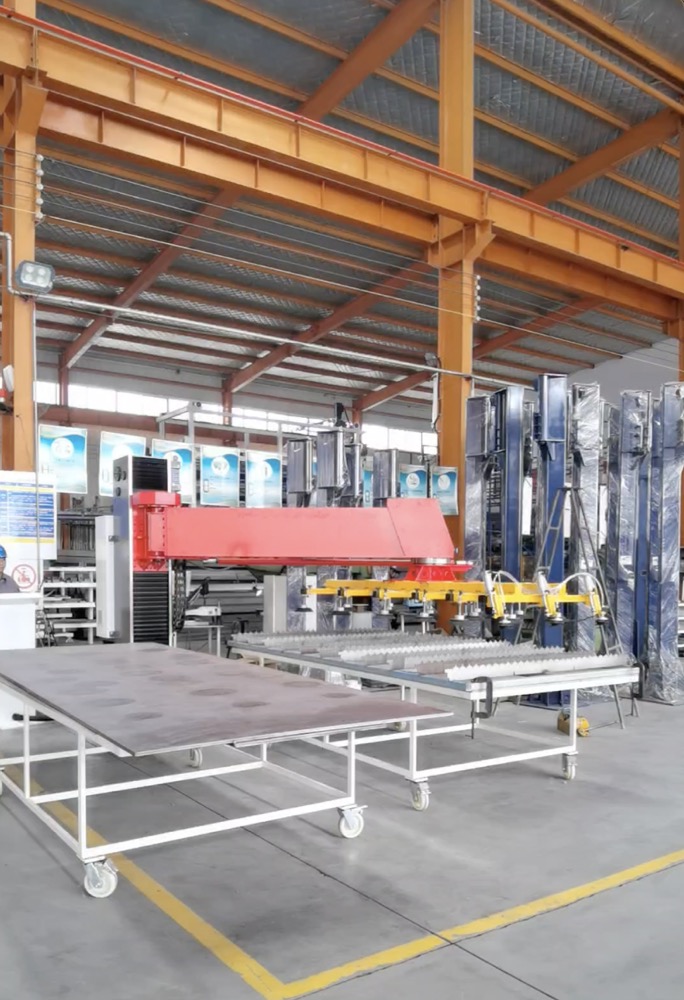
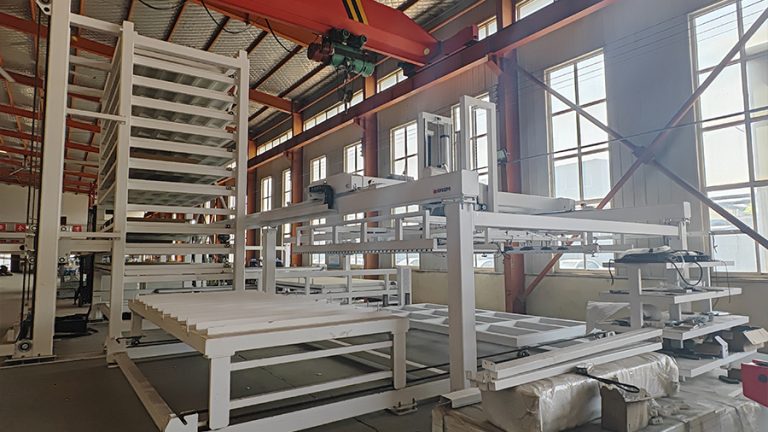
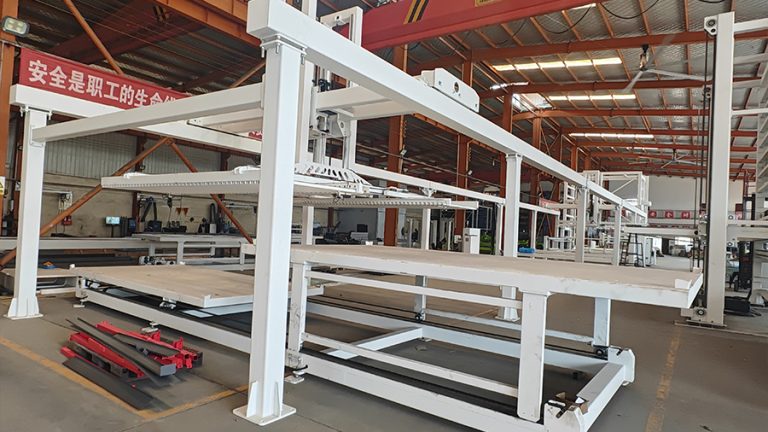
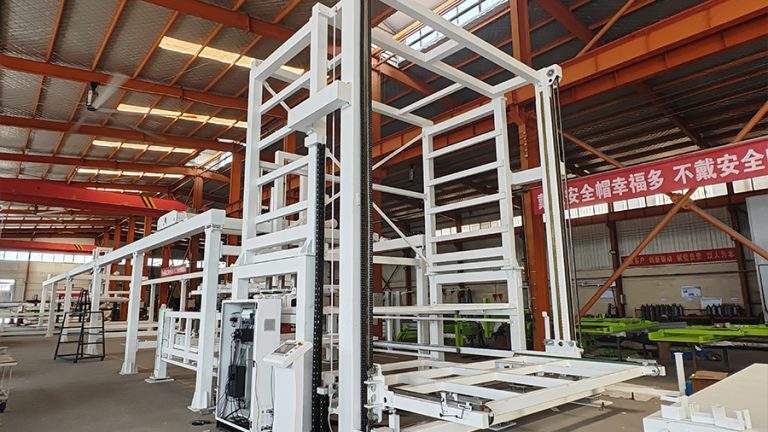
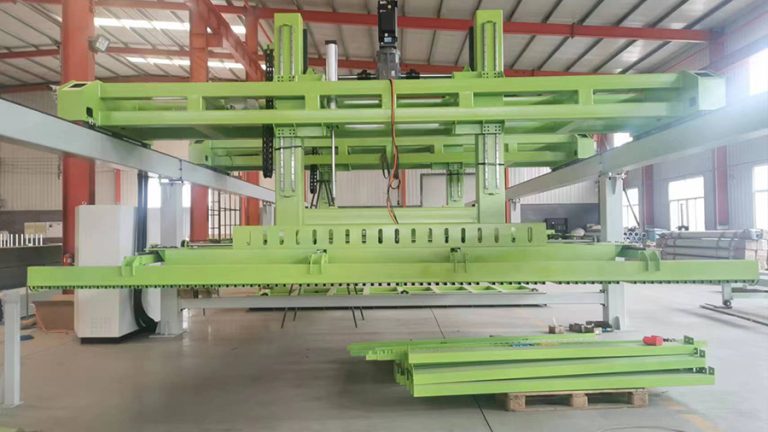
In today’s fast-paced industrial landscape, warehouse automatic storage system unit storage is becoming increasingly vital for businesses aiming to enhance their operational efficiency. These systems are designed to automate the storage and retrieval processes within warehouses, significantly reducing the time and labor required for inventory management. As industries evolve, the need for advanced automation solutions in areas such as instrumentation and control becomes more pronounced, making an understanding of these systems crucial for professionals in the field.
At the core of warehouse automatic storage systems is the integration of technology with material handling processes. Automated systems employ various technologies, such as robotics, conveyor belts, and automated guided vehicles (AGVs), to simplify the movement and storage of goods. This not only minimizes human error but also increases the speed of operations, allowing for quicker response times to market demands.
One of the primary benefits of implementing such systems is the maximization of storage space. Traditional storage methods often lead to inefficient use of available space, whereas automated storage solutions can optimize vertical and horizontal storage. By utilizing advanced algorithms, these systems can determine the most efficient layout for storing items, making it possible to store more goods in less space. This is especially important in sectors where real estate costs are high.
Moreover, warehouse automatic storage systems greatly enhance inventory accuracy. Conventional inventory management often involves manual counting and tracking, which can lead to discrepancies. In contrast, automated systems utilize advanced sensors and software to maintain real-time inventory records. This not only ensures accuracy but also provides valuable insights into inventory levels, helping businesses make informed decisions about restocking and supply chain management.
In the context of automated instrument and control systems, the synergy between warehouse automatic storage systems and these technologies can lead to improved operational workflow. By ensuring that the right instruments are available at the right time, companies can minimize downtime and maintain smooth production processes. This integration can also facilitate better data collection and analysis, further driving efficiency improvements.
In conclusion, the role of warehouse automatic storage system unit storage in the management of automated instrumentation is pivotal. As industries continue to embrace technological advancements, the demand for these systems will only grow. Professionals in the field must stay informed about these innovations to leverage their benefits fully. Understanding the implications of automated storage solutions can lead to enhanced operational efficiency, improved inventory management, and ultimately, greater success in today’s competitive market.