Cangzhou Defeng Machinery Equipment Co., Ltd.


Streamline Operations: The Power of Effortless Loading and Unloading in Automation
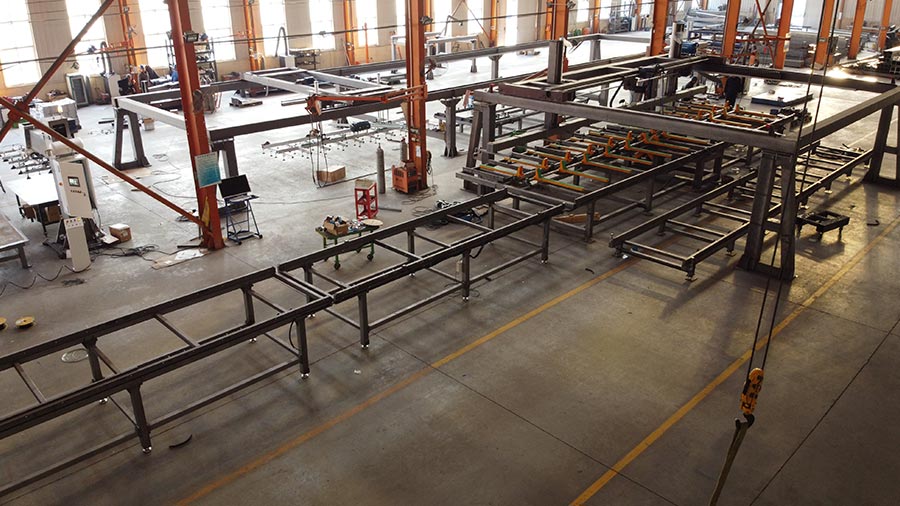
Streamline Operations: The Power of Effortless Loading and Unloading
Table of Contents
- 1. Introduction: Understanding the Need for Efficient Loading and Unloading
- 2. The Importance of Effortless Loading and Unloading in Automation
- 3. Current Challenges in Loading and Unloading Operations
- 4. Technology Solutions to Enhance Loading and Unloading
- 5. Best Practices for Streamlining Loading and Unloading
- 6. Case Studies: Successful Implementations of Effortless Loading and Unloading
- 7. Future Trends in Loading and Unloading Automation
- 8. Frequently Asked Questions
- 9. Conclusion
1. Introduction: Understanding the Need for Efficient Loading and Unloading
In today’s rapidly evolving industrial landscape, **efficiency is paramount**. Businesses are constantly striving to reduce operational costs while maximizing productivity. One critical aspect of this is the process of **loading and unloading materials and products**. This seemingly simple task can significantly impact overall operational efficiency. By streamlining these processes, companies can enhance their productivity, reduce delays, and ultimately improve profitability.
2. The Importance of Effortless Loading and Unloading in Automation
Effortless loading and unloading are essential not only for warehouse management but for the entire supply chain. Efficient material handling leads to a smoother operation flow, minimizing downtime and ensuring that products are delivered on time. Furthermore, a focus on **effortless operations** reduces the risk of workplace injuries, leading to a safer working environment. By adopting automation technologies and techniques for loading and unloading, businesses can achieve significant cost savings while boosting their competitive edge in the market.
2.1 Enhancing Throughput and Speed
One of the most immediate benefits of automated loading and unloading systems is the **increase in throughput**. Automated systems can reduce the time taken for these processes, allowing for a faster turnover rate. When combined with other automation solutions, such as robotics and conveyor systems, loading and unloading can become nearly instantaneous, leading to enhanced operational efficiency.
2.2 Reducing Labor Costs
By minimizing the need for manual labor in loading and unloading, companies can **significantly cut labor costs**. Automation not only reduces the number of employees required for these tasks but also allows existing staff to focus on higher-value, strategic activities rather than repetitive manual processes.
3. Current Challenges in Loading and Unloading Operations
Despite the clear advantages of streamlined loading and unloading processes, many companies still face challenges that hinder their progress. Identifying these obstacles is the first step toward creating effective solutions.
3.1 Inefficient Workflow Processes
Many businesses struggle with outdated workflows that do not support automation. Poorly designed processes can lead to bottlenecks, delays, and increased operational costs.
3.2 Equipment Limitations
Outdated or inadequate equipment can significantly impede loading and unloading operations. Without the right machinery, companies may face delays and injuries, leading to lost productivity and increased costs.
3.3 Lack of Skilled Workforce
With the rise of automation comes the need for a **skilled workforce** that can manage and maintain these systems. A lack of proper training can lead to inefficient operations and increased risk of errors.
4. Technology Solutions to Enhance Loading and Unloading
The integration of advanced technology into loading and unloading processes offers numerous solutions to the challenges faced by businesses today.
4.1 Automated Guided Vehicles (AGVs)
AGVs are revolutionizing material handling. These autonomous vehicles transport products from one location to another with minimal human intervention, significantly reducing the time and labor required for loading and unloading.
4.2 Robotics Solutions
Robotic arms can automate the loading and unloading of goods, particularly in environments where precision and speed are critical. These systems can be programmed to handle various tasks, from palletizing to sorting, thereby increasing efficiency.
4.3 Conveyor Systems
Modern conveyor systems can be customized to fit the specific needs of any operation. They reduce the physical effort required for moving goods and streamline the loading and unloading processes.
4.4 Smart Sensors and IoT Integration
The Internet of Things (IoT) is transforming operations by enabling real-time monitoring and data collection. Smart sensors provide valuable insights into operational efficiency, helping businesses identify areas for improvement.
5. Best Practices for Streamlining Loading and Unloading
To achieve the best results, companies must adhere to certain best practices when implementing automated loading and unloading solutions.
5.1 Perform a Workflow Analysis
Before implementing any new system, it’s crucial to analyze existing workflows. Understanding the current process helps identify inefficiencies and areas for improvement.
5.2 Invest in Employee Training
Training employees on new technologies ensures that they can effectively operate and maintain automated systems. This investment not only increases efficiency but also reduces the risk of accidents.
5.3 Regular Maintenance and Upgrades
Routine maintenance of equipment and systems is essential for maintaining optimal performance. Regular upgrades ensure that businesses stay competitive and leverage the latest technological advances.
6. Case Studies: Successful Implementations of Effortless Loading and Unloading
To illustrate the power of efficient loading and unloading, here are a few case studies demonstrating successful implementations.
6.1 Warehouse Automation at X Corp
X Corp implemented automated guided vehicles and robotics systems, resulting in a 30% increase in throughput and a significant reduction in labor costs.
6.2 Streamlined Operations at Y Industries
Y Industries integrated smart sensors and conveyor systems, optimizing their loading and unloading processes. This implementation reduced their operational delays by 25%, enhancing overall productivity.
7. Future Trends in Loading and Unloading Automation
As technology continues to evolve, several trends are expected to shape the future of loading and unloading operations.
7.1 Increased Use of Artificial Intelligence
AI is poised to transform decision-making in loading and unloading processes, enabling predictive maintenance and more efficient resource allocation.
7.2 Enhanced Integration of Robotics
The role of robotics will continue to expand, with more advanced systems capable of handling complex tasks seamlessly within the supply chain.
7.3 Sustainability Focus
As companies strive to achieve sustainability goals, loading and unloading processes will increasingly incorporate eco-friendly practices and technologies.
8. Frequently Asked Questions
8.1 What are the benefits of automating loading and unloading processes?
Automating these processes can increase efficiency, reduce labor costs, improve safety, and enhance throughput.
8.2 How do automated systems impact labor needs?
While automation reduces the need for manual labor in repetitive tasks, it creates opportunities for employees to focus on more strategic roles.
8.3 What technologies are best for enhancing loading and unloading?
Technologies like AGVs, robotics, conveyors, and IoT integration are among the most effective solutions for improving these processes.
8.4 How can I ensure a successful implementation of automation?
Perform thorough workflow analysis, invest in training, and prioritize regular maintenance and upgrades to ensure successful implementation.
8.5 What is the future of loading and unloading operations?
The future will likely see increased AI integration, advanced robotics, and a greater focus on sustainability practices in loading and unloading operations.
9. Conclusion
Streamlining loading and unloading processes is crucial for any business looking to enhance operational efficiency and reduce costs. By embracing automation and implementing best practices, companies can transform their operations, improve productivity, and gain a competitive edge. As technological advancements continue to reshape the industry, staying informed and adaptable will be key to realizing the full potential of effortless loading and unloading. Embracing these changes today will pave the way for a more efficient and profitable tomorrow.